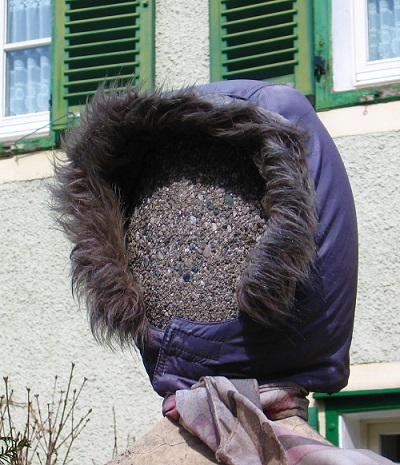
Dear Readers – Please enjoy this reboot of Mind Your Head: Part 1 originally published on October 6, 2017.
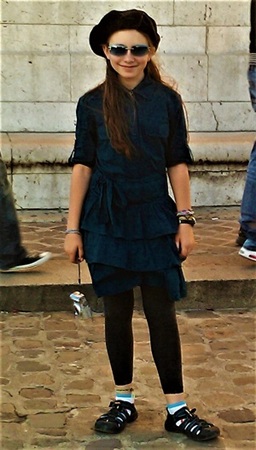
Today on Museum Bites we’re poking our heads under some swanky headgear. Our noggins have been wrapped in scarves, stuffed into helmets and adorned with crowns. Whether functional or fashionable, our choices are wide-ranging and diverse. Headgear or the lack of it can define us. Do you shun the bike helmet or cinch your chin strap tighter? Do you sport a cheesy yellow wedge in the Fall? Or is a Viking helmet more your jam?
Paris, France
Photo by cjverb (2010)
Throughout my travels, I’ve come across an eclectic assortment of hats, helmets, and headdresses. In this first of a two-part series, we’ll take a look at headgear that can conjure spirits, lampoon conquerors, honor the gods and keep royal heads toasty warm. We’ll start with an exquisite piece from the Michigan State University Museum.
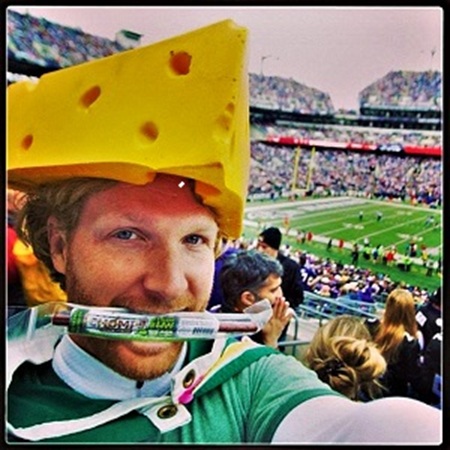
Lambeau Field
Photo by Chris F (2014)
Wikimedia
Honoring Deities: Young Balinese women wear these lovely gold headdresses when performing the legong kraton, an elaborate interpretive dance. Portraying heavenly sprites, the performers honor the gods, to the accompaniment of a gamelan orchestra. The legong was originally a 10-part dance performed only in the palace. Today, the public can enjoy abbreviated versions of the legong kraton at temple ceremonies and art festivals throughout Bali. Click on this legong dance clip to see versions of this beautiful headdress in action.
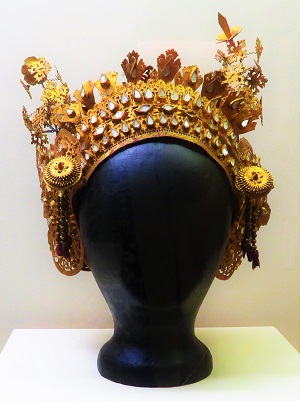
Balinese Headdress
Michigan State University Museum
Photo by cjverb (2017)
Slithering for Rain: The Snake Headdress (a-Mantsho-ña-Tshol or Inap) is a fearsome snake headdress from the African nation of Guinea. Hand carved and painted to resemble a boa constrictor, this a-Mantsho-ña-Tshol towers almost 7 feet high (~2 meters). Male dancers with undoubtedly strong necks balanced this huge wooden snake atop their heads, with the help of a tepee of palm fronds.
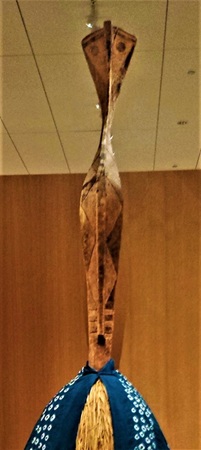
Snake Headdress (c1875-1925)
Baga, Nalu, or Landuma Culture Group
Art Institute of Chicago, photo by cjverb (2015)
They made the snake wriggle and writhe by bobbing their heads, bending their knees, and rolling their hips. These gyrations were all in an effort to call forth the snake spirit, who granted blessings of fertility, riches and favorable weather. Like a team mascot, each clan had their own unique snake headdress. The a-Mantsho-ña-Tshol dance was popular among the Guinea people up until the 1950s, and it experienced a brief revival in the 1990s. Click on this Metropolitan Museum of Art: a-Mantsho-ña-Tshol (master of medicine) Headdress link to learn more.
Warming Royalty: The phoenix crown or fengguan, is a traditional headdress once worn by Chinese empresses and noblewomen. This plush, mink fengguan kept royal heads fashionably warm during the winter court of the Qing Dynasty (1644-1911). Decorated with dongzhu pearls, coral, lazurite, and gold phoenixes, this impressive crown weighs between 4 and 6 lbs. (2-3 kg). After a day of fengguan wearing, the empress must have truly felt the weight of her crown. Click on this Treasure Palace link to feast your eyes on a gorgeous collection of fengguan, jewelry, and other Qing Dynasty riches.
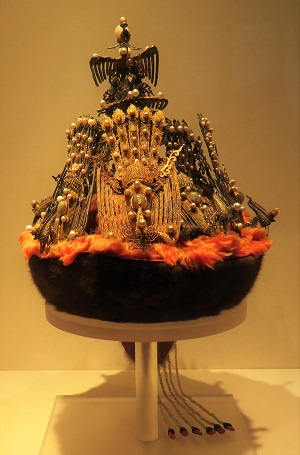
Empress’s Winter Court Cornet, Qing Dynasty (1644-1911)
Forbidden City, photo by cjverb (2017)
Ridiculing Conquerors: This flamboyant headdress is a caricature of a Spanish conquistador. Local men don these flowery masks during the Fiesta de San Sebastián, in Diriamba, Nicaragua.
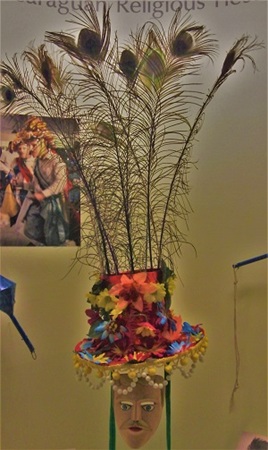
Tora Huaco Headdress, Nicaragua
Michigan State University Museum
Photo by cjverb (2012)
They perform the Toro Huaco, a traditional 10-part folk dance that tells the story of late night cow rustling, a bull skeleton, and oppressive conquistadors. The entire city takes part in this boisterous street festival from January 17 to 27. Click on this Fiestas San Sebastián video clip to see these extravagant masks in action.
That wraps up this week’s discussion of unique and stylish headgear. Next week, we’ll take a look at hats and helmets used in battle. In the meantime, have a fantastic week!
Sources:
Metropolitan Museum of Art: a-Mantsho-ña-Tshol (master of medicine) Headdress
Michigan State University Museum
Stephen Davies, The Origins of Balinese Legong (2008) – BrillOnline.com
YouTube: Fiestas San Sebastián

